
How Difficult Is Gorilla Trekking 2026? Complete Fitness Guide for First-Time Trekkers
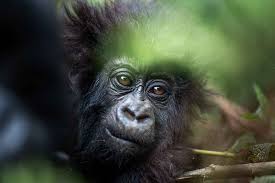
Gorilla trekking is one of the most thrilling wildlife adventures in Africa, offering travelers the rare opportunity to come face-to-face with endangered mountain gorillas in their natural habitat. Whether you choose the misty forests of Bwindi Impenetrable National Park, the bamboo-covered slopes of Volcanoes National Park, or the wild jungles of Virunga National Park, the experience is unforgettable. However, one of the most common questions travelers ask is: How difficult is gorilla trekking?
The truth is that gorilla trekking can be physically demanding, but it is achievable for most travelers with average fitness levels. The challenge depends on several factors, including the location of the gorilla family, the terrain, weather conditions, altitude, and your personal fitness level. With proper preparation and guidance from experienced tour operators like Satellite Adventures, even first-time trekkers can successfully enjoy this once-in-a-lifetime safari adventure.
Understanding the Difficulty of Gorilla Trekking
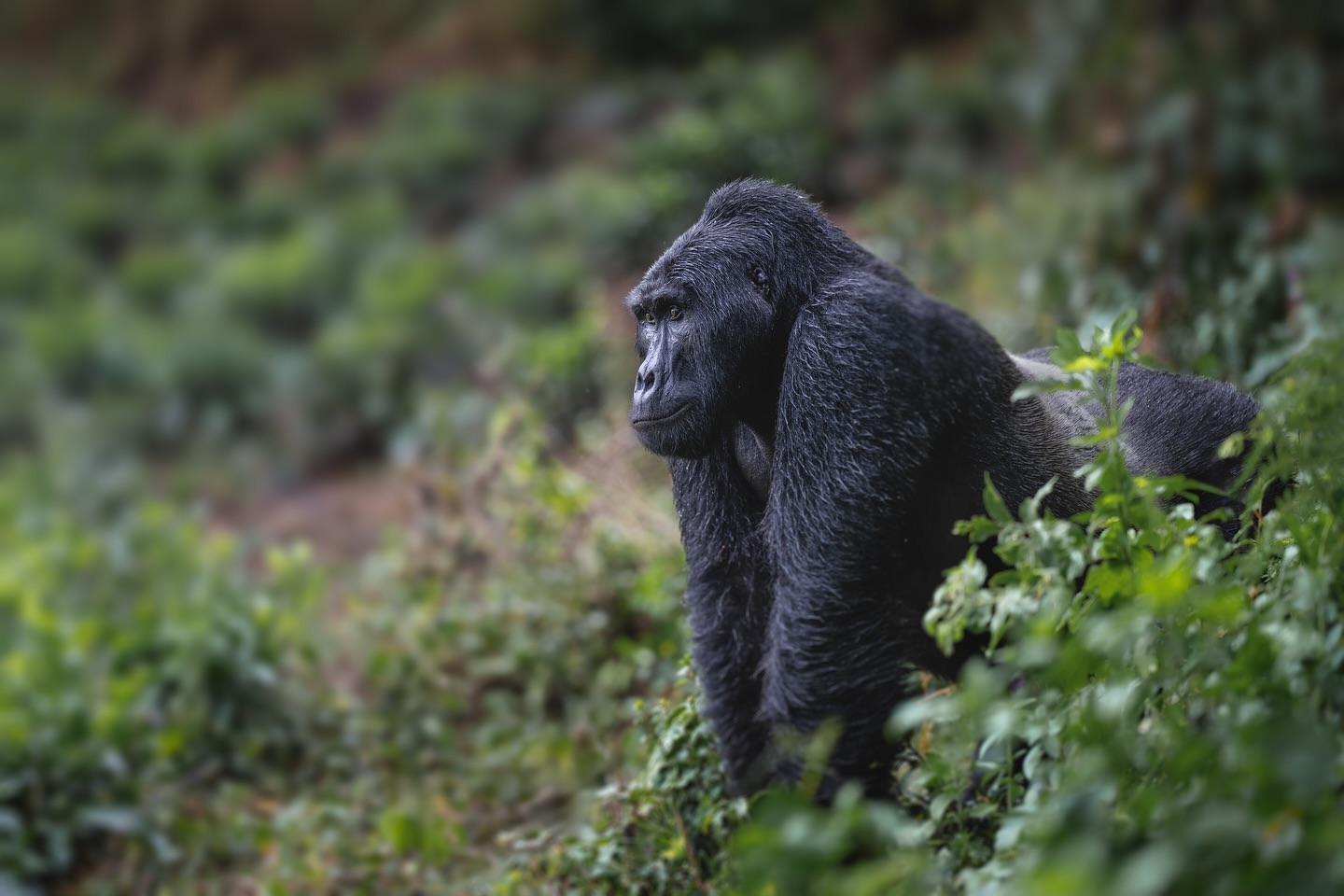
Mountain gorillas live deep within tropical rainforests, often in mountainous regions with steep slopes, thick vegetation, muddy trails, and uneven terrain. Unlike a regular nature walk, gorilla trekking involves hiking through forests while trackers search for gorilla families that constantly move from one area to another.
Treks can last anywhere between 30 minutes and 8 hours depending on where the gorillas are located on that particular day. Some groups are found closer to the starting point, while others may require longer hikes uphill or through dense jungle vegetation.
Main Factors That Affect Trekking Difficulty
1. Terrain and Elevation
Most gorilla trekking destinations are located at high altitudes ranging between 2,000 and 4,000 meters above sea level. The terrain often includes:
-
Steep hills
-
Slippery muddy paths
-
Dense forests
-
Thick undergrowth
-
Narrow mountain trails
In places like Bwindi Impenetrable National Park, the word “impenetrable” truly reflects the nature of the forest. Trekkers may climb valleys, cross streams, and hike through thick vegetation before locating the gorillas.
2. Duration of the Trek
Some trekkers encounter gorillas within one hour, while others may trek for several hours. The duration depends entirely on the gorillas’ movements. Since mountain gorillas are wild animals, their location changes daily as they search for food and shelter.
3. Weather Conditions
Gorilla trekking takes place in tropical rainforests where rain can occur unexpectedly at any time of the year. Wet conditions make trails muddy and slippery, increasing the physical challenge of the hike.
4. Individual Fitness Level
Your personal endurance, mobility, and general health also determine how difficult the trek feels. People who regularly walk, hike, or exercise usually find the experience easier than those with limited physical activity.
Do You Need to Be Extremely Fit for Gorilla Trekking?
No, you do not need to be an athlete to go gorilla trekking. Many travelers of different ages successfully complete gorilla treks every year. Even senior travelers can participate comfortably with proper preparation.
The key requirement is having moderate fitness and a positive attitude. If you can comfortably walk for several hours on uneven ground, you are generally fit enough for gorilla trekking.
Tour companies such as Satellite Adventures also help arrange:
-
Walking sticks
-
Porters to carry bags
-
Customized trekking groups
-
Easier gorilla families for less active travelers
Hiring a porter is highly recommended because they assist with carrying bags, provide support on steep slopes, and help improve balance during muddy sections.
Gorilla Trekking Fitness Guide
Preparing physically before your safari greatly improves your trekking experience. Here are some important fitness tips to help you prepare for gorilla trekking in Uganda, Rwanda, or Congo.
1. Start Walking Regularly
Walking is one of the best ways to prepare for gorilla trekking. Begin taking long walks several weeks before your trip. Aim for:
-
30–60 minutes daily
-
Walking on hills if possible
-
Practicing on uneven terrain
This helps improve stamina and strengthens your legs for mountain hiking.
2. Build Leg Strength
Strong legs make steep climbs easier. Exercises such as:
-
Squats
-
Lunges
-
Stair climbing
-
Hiking trails
can help improve your endurance and stability during the trek.
3. Improve Cardiovascular Fitness
Cardio exercises help your body adapt to high altitudes and long hikes. Good activities include:
-
Jogging
-
Cycling
-
Swimming
-
Brisk walking
Improving your breathing and endurance makes trekking more comfortable.
4. Practice Hiking with a Backpack
During gorilla trekking, you may carry water, rain gear, snacks, cameras, and personal items. Training with a light backpack helps prepare your shoulders and back for the hike.
5. Stretch and Improve Flexibility
Stretching reduces muscle stiffness and helps prevent injuries. Focus on:
-
Hamstrings
-
Calves
-
Lower back
-
Hips
Flexible muscles improve movement on steep or uneven trails.
Essential Packing Tips for Gorilla Trekking
Packing correctly can make your trek significantly easier and more comfortable.
Recommended Gorilla Trekking Gear
-
Waterproof hiking boots
-
Long-sleeved shirts
-
Long trousers
-
Gardening gloves for grabbing vegetation
-
Rain jacket
-
Insect repellent
-
Reusable water bottle
-
Energy snacks
-
Hat and sunscreen
Most importantly, wear comfortable clothing suitable for hiking through wet and muddy forests.
Can Older Travelers Participate in Gorilla Trekking?
Absolutely. Gorilla trekking is suitable for older travelers as long as they are in reasonably good health. In Uganda and Rwanda, park authorities often allocate easier gorilla groups to elderly trekkers or those with mobility concerns.
Some destinations also provide sedan chairs carried by porters for travelers who cannot hike long distances independently. Tour operators like Satellite Adventures can arrange these services in advance to ensure a comfortable experience.
Mental Preparation Is Also Important
Many travelers underestimate the mental side of gorilla trekking. The hike may feel challenging at times due to fatigue, mud, or steep climbs. However, maintaining a positive mindset is essential.
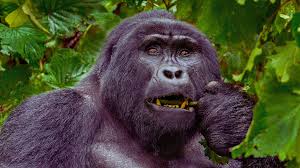
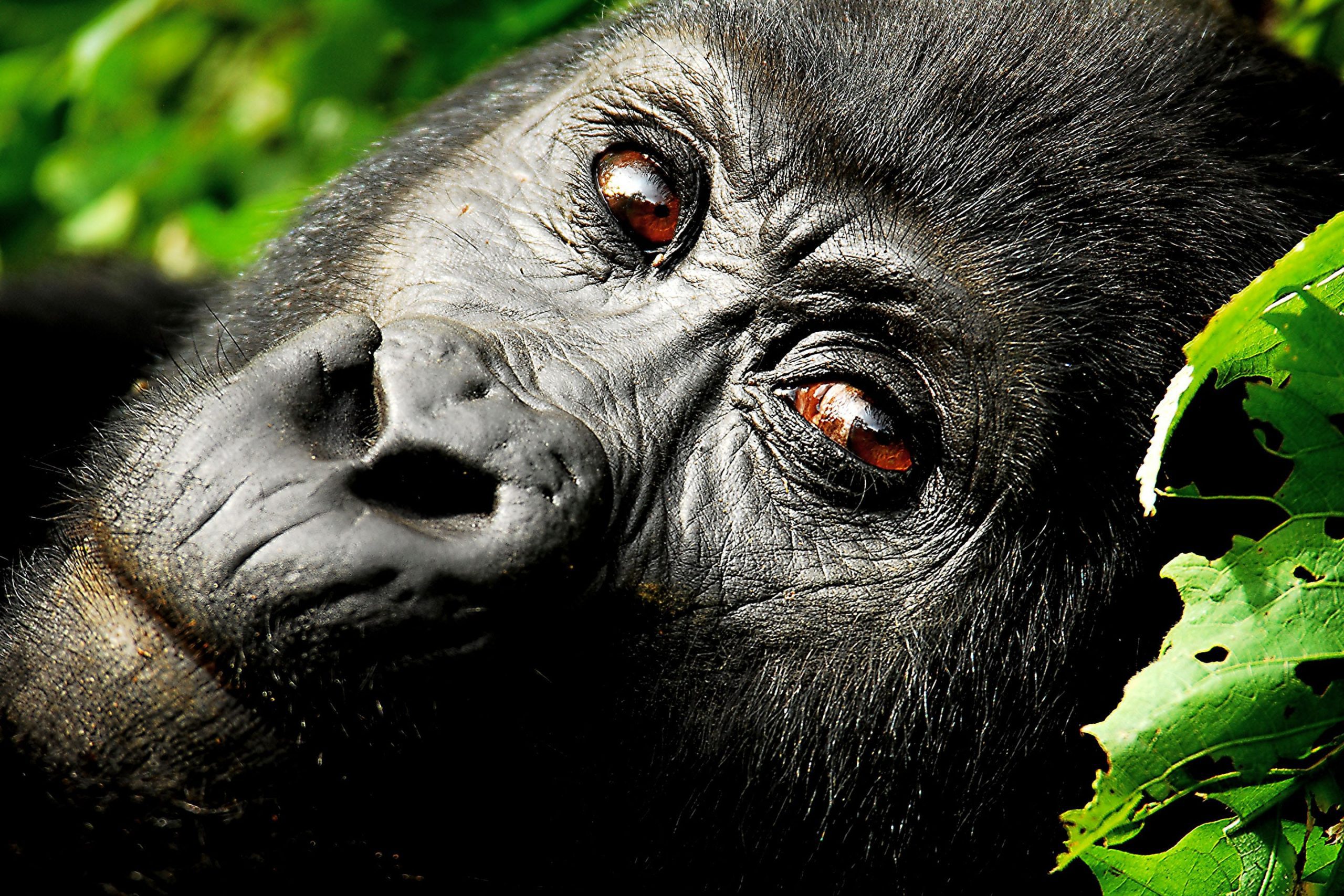
The reward at the end is extraordinary — spending one magical hour observing mountain gorillas closely as they feed, groom, play, and interact naturally in the wild. Most travelers say the experience is worth every step of the journey.
Best Countries for Gorilla Trekking
Uganda
Uganda offers some of the most adventurous gorilla trekking experiences with diverse landscapes and affordable permits. The main trekking destinations are:
-
Bwindi Impenetrable National Park
-
Mgahinga Gorilla National Park
Rwanda
Rwanda is famous for shorter driving distances and relatively accessible trekking terrain in:
Congo
Democratic Republic of the Congo offers adventurous and less crowded treks in:
Conclusion
So, how difficult is gorilla trekking? The answer depends on your fitness level, weather conditions, and the location of the gorillas on the trekking day. While gorilla trekking can be physically demanding, it is manageable for most travelers with basic preparation and determination.
With regular walking, light fitness training, proper hiking gear, and support from experienced safari companies like Satellite Adventures, you can confidently enjoy one of Africa’s most extraordinary wildlife encounters.
Gorilla trekking is more than just a hike through the forest, it is an emotional, life-changing journey into the heart of Africa’s wilderness. The moment you stand a few meters away from a giant silverback or watch a playful baby gorilla swinging through the forest is an experience that stays with you forever. Plan your next safari with us.
17 Comments