
Are Mountain Gorillas Different From Lowland Gorillas in 2026?
Introduction
Gorillas are among the most fascinating and intelligent primates on Earth, sharing about 98% of their DNA with humans. Yet, not all gorillas are the same. In Africa, there are two major subspecies that often spark curiosity among wildlife lovers and travelers: the mountain gorillas and the lowland gorillas.
As conservation efforts continue to evolve in 2026, understanding the differences between these two types of gorillas has become more important than ever especially for eco-tourism, wildlife protection, and scientific research. Whether you're a student, a traveler, or a nature enthusiast planning a safari with Satellite Adventures, this guide breaks everything down in a clear and engaging way.
What Are Mountain and Lowland Gorillas?
To understand the difference, we first need to define them.
Mountain Gorillas
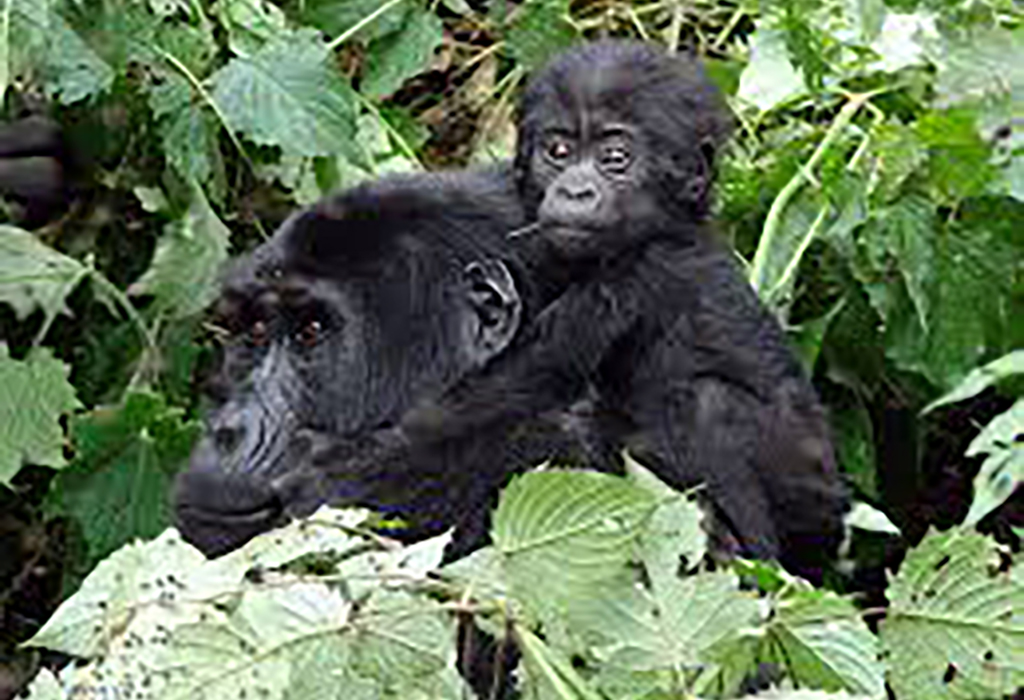
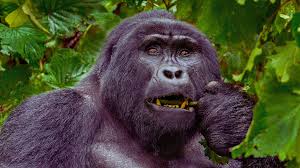
Mountain gorilla live in high-altitude forests in East Africa, mainly in Uganda, Rwanda, and the Democratic Republic of Congo. These gorillas are adapted to cold, misty mountain environments and are known for their thick fur.
They are critically endangered but have shown slow population growth thanks to strong conservation programs.
Lowland Gorillas
Western lowland gorilla live in dense tropical rainforests and swampy lowland areas across Central and West Africa. They are more widespread than mountain gorillas but are harder to observe due to their deep forest habitats.
Key Differences Between Mountain and Lowland Gorillas
1. Habitat and Environment
The most obvious difference lies in where they live.
Mountain gorillas inhabit volcanic mountain forests at elevations of up to 4,000 meters. These environments are cold, foggy, and rugged. Because of this, mountain gorillas have developed thicker fur to survive low temperatures.
Lowland gorillas, on the other hand, live in warmer, low-elevation rainforests. Their environment is humid, dense, and rich in plant diversity. Unlike mountain gorillas, they do not need thick fur since temperatures are relatively stable and warm throughout the year.
2. Physical Appearance
Although both species look similar, subtle differences exist:
-
Mountain gorillas are generally larger and stockier.
-
They have longer, thicker hair to keep warm.
-
Their faces often appear more pronounced due to adaptation to colder climates.
-
Lowland gorillas are slightly smaller and have shorter, thinner fur.
-
They appear more agile due to lighter body structure.
-
Their facial features are often less bulky.
These differences may seem small, but they are essential adaptations for survival in their respective environments.
3. Diet and Feeding Behavior
Both types of gorillas are primarily herbivores, but their diets vary based on habitat.
Mountain gorillas consume:
-
Leaves
-
Stems
-
Bamboo shoots
-
Occasional insects
Their diet is relatively limited due to fewer plant species in high-altitude environments.
Lowland gorillas enjoy a more diverse diet:
-
Fruits (a major part of their diet)
-
Seeds
-
Herbs
-
Bark and roots
-
Insects and small invertebrates
Because of fruit availability, lowland gorillas tend to travel more frequently in search of seasonal food sources.
4. Behavior and Social Structure
Both mountain and lowland gorillas live in family groups led by a dominant silverback male. However, behavior differences exist.
Mountain gorillas are generally more calm and less aggressive. Their stable environment and limited competition for food make their social structure more relaxed.
Lowland gorillas are more active and sometimes more alert due to environmental pressures such as predators and seasonal food changes. They often move in larger ranges compared to mountain gorillas.
5. Population and Conservation Status in 2026
In 2026, conservation success stories continue to shape gorilla populations:
-
Mountain gorillas have seen a gradual population increase thanks to eco-tourism and strict protection laws.
-
Lowland gorillas, however, still face significant threats from deforestation, poaching, and mining activities.
Organizations and eco-tour operators like Satellite Adventures play a key role in promoting responsible wildlife tourism, helping fund conservation efforts, and educating travelers about protecting these incredible animals.
6. Tourism and Wildlife Experience
For travelers, both gorilla types offer unforgettable experiences, but in different ways.
-
Mountain gorilla trekking is more structured, often taking place in national parks like Bwindi Impenetrable Forest and Volcanoes National Park. Treks can be physically demanding due to mountainous terrain.
-
Lowland gorilla viewing is less common in tourism and often requires deeper rainforest expeditions, sometimes involving boat travel and long jungle hikes.
With Satellite Adventures, travelers can experience guided gorilla safaris that prioritize safety, sustainability, and conservation education.
Why These Differences Matter in 2026
Understanding the differences between mountain and lowland gorillas is not just for science—it has real-world importance.
-
Conservation Planning: Different habitats require different protection strategies.
-
Eco-tourism Development: Tour operators can design better, more responsible experiences.
-
Education and Awareness: Helps people appreciate biodiversity and ecological balance.
-
Climate Change Impact: Both species respond differently to environmental changes, making them important indicators of forest health.
Challenges Facing Both Gorilla Species
Despite conservation progress, both species face ongoing challenges:
-
Habitat loss due to human expansion
-
Illegal poaching
-
Disease transmission from humans
-
Climate change affecting forest ecosystems
Protecting gorillas requires international cooperation, local community involvement, and sustainable tourism practices.
The Role of Satellite Adventures in Gorilla Conservation
Satellite Adventures contributes to wildlife tourism by encouraging eco-friendly travel experiences that support local communities and conservation projects.
Through guided gorilla trekking and educational safaris, travelers not only witness gorillas in their natural habitat but also directly contribute to their protection. This model ensures that tourism becomes part of the solution rather than the problem.
Conclusion
So, are mountain gorillas different from lowland gorillas in 2026? The answer is a clear yes but both remain equally important to our planet’s biodiversity.
Mountain gorillas are adapted to cold, mountainous regions with thick fur and smaller habitats, while lowland gorillas thrive in warm rainforests with diverse diets and wider territories. Despite these differences, both share strong social bonds, intelligence, and an urgent need for protection.
Thanks to conservation efforts and responsible tourism initiatives like those supported by Satellite Adventures, the future of gorillas looks more hopeful than ever. Protecting them ensures that future generations will continue to experience the wonder of these gentle giants in the wild. Please contact us for more information.

0 Comments