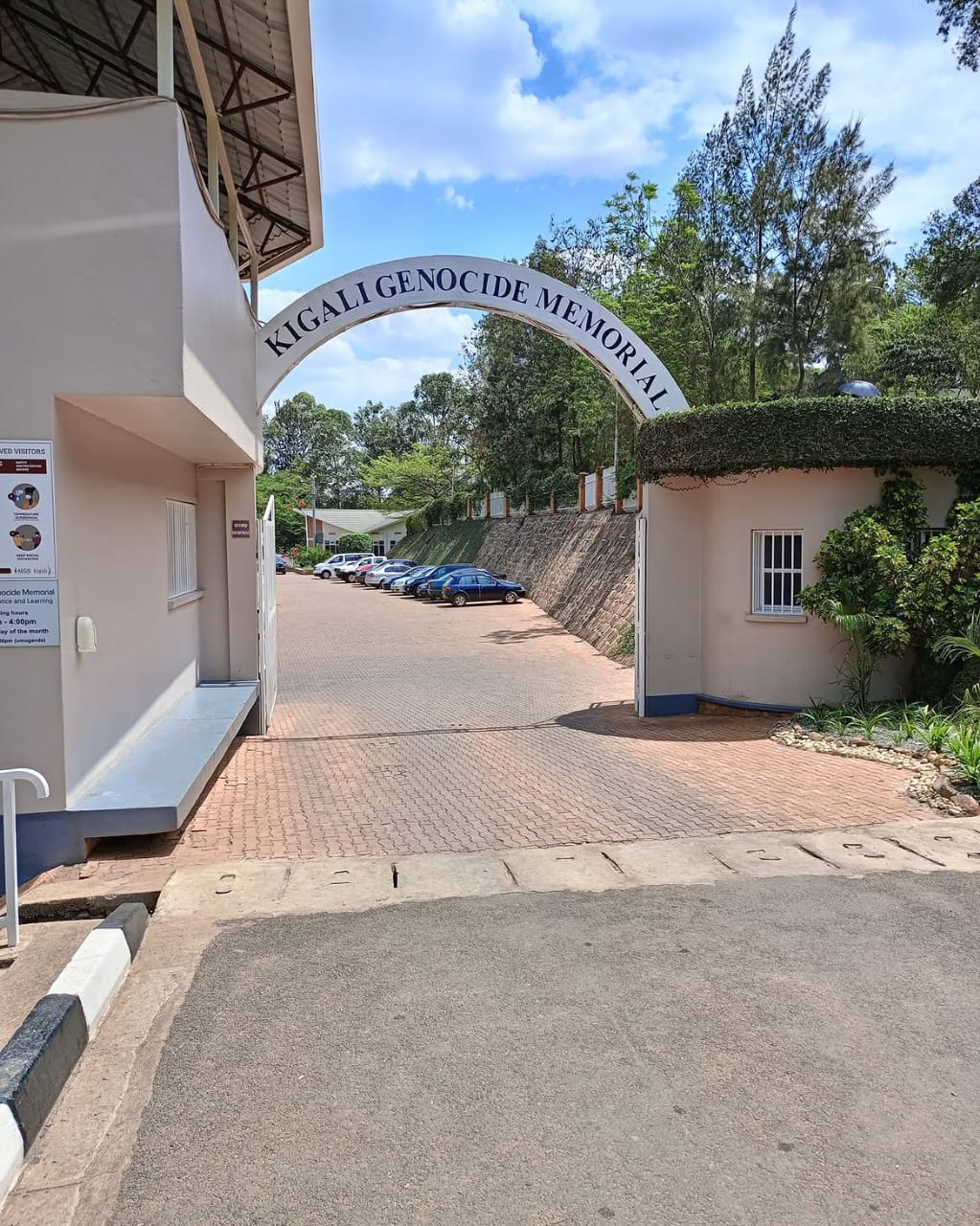

Kigali Genocide Memorial Visitor Guide 2027–2030: Everything You Need to Know Before You Visit
Overview
The Kigali Genocide Memorial is Rwanda's most significant historical and educational site, preserving the memory of the victims of the 1994 Genocide against the Tutsi while promoting peace, reconciliation, and the prevention of future atrocities. Every year, thousands of visitors from around the world come to understand Rwanda's remarkable journey from tragedy to unity.
If you are planning to visit Rwanda between 2027 and 2030, this comprehensive visitor guide explains everything you need to know, from the memorial's history and exhibits to visitor etiquette, opening hours, nearby attractions, and helpful travel tips.
Whether you are combining your visit with a gorilla trekking safari, wildlife adventure, or cultural experience, the Kigali Genocide Memorial offers an unforgettable opportunity to understand Rwanda's history and resilience.
What Is the Kigali Genocide Memorial?
Located in Kigali's Gisozi suburb, the Kigali Genocide Memorial commemorates more than 250,000 victims who are buried at the site. It serves as:
-
A national memorial
-
An educational center
-
A research institution
-
A place for remembrance
-
A symbol of reconciliation
The memorial documents the events before, during, and after the 1994 Genocide against the Tutsi, helping visitors understand one of the darkest chapters in modern African history.
Why Visit the Memorial?
A visit provides far more than historical information.
Visitors gain:
-
A deeper understanding of Rwanda's history
-
Insight into reconciliation efforts
-
Lessons about peace and humanity
-
Perspective on genocide prevention
-
Respect for the resilience of the Rwandan people
Many travelers describe it as one of the most meaningful experiences during their Rwanda safari.
History of the Memorial
The memorial officially opened in 2004, marking ten years after the genocide.
Its objectives include:
-
Honoring victims
-
Preserving historical evidence
-
Educating future generations
-
Promoting peace-building
-
Supporting survivors through remembrance
The memorial continues expanding educational resources to serve international visitors and researchers through 2027–2030.
Understanding the 1994 Genocide
The genocide occurred over approximately 100 days, beginning in April 1994.
During this period:
-
More than 800,000 people were killed.
-
Families were separated.
-
Communities were destroyed.
-
Millions were displaced.
-
Rwanda's social fabric was devastated.
Today, the country has become internationally recognized for its reconciliation efforts and peaceful development.
Main Exhibition Areas
Permanent Exhibition
This exhibition explains:
-
Rwanda before colonialism
-
Colonial influence
-
Rising ethnic tensions
-
Events leading to 1994
-
The genocide timeline
-
International response
-
Recovery process
Visitors move through the story chronologically, making it easier to understand the historical context.
Children's Memorial
One of the most emotional sections honors children who lost their lives.
Displays include:
-
Personal photographs
-
Favorite toys
-
School memories
-
Short biographies
-
Family stories
This exhibit reminds visitors that innocent children were among the victims.
Gardens of Reflection
The memorial gardens provide peaceful surroundings where visitors can:
-
Reflect quietly
-
Pay respects
-
Walk through landscaped paths
-
Observe remembrance ceremonies
-
Appreciate Rwanda's commitment to healing
Mass Burial Site
The memorial contains the final resting place of over 250,000 victims.
Visitors are encouraged to maintain silence and show respect throughout this sacred area.
Visitor Information for 2027–2030
Opening Hours
The Kigali Genocide Memorial is generally open throughout the week, though opening hours may vary during national commemorations, public holidays, or special events. Visitors should confirm the latest schedule before traveling.
Entry Fees
Admission to the memorial is typically free, although donations are appreciated to support education, maintenance, and survivor programs.
Guided tours and educational programs may have separate arrangements depending on availability.
How Long Should You Spend?
A complete visit usually takes:
-
2–3 hours for the main exhibitions
-
3–4 hours with a guided tour and time for reflection
Visitors interested in Rwanda's history may spend even longer exploring the educational materials.
Audio Guides
Audio guides are available in multiple languages and provide detailed explanations throughout the exhibitions.
They are highly recommended for first-time visitors, offering historical context and personal stories that enrich the experience.
Photography Rules
Photography policies vary depending on the exhibition area.
Generally:
-
Outdoor photography is permitted in designated areas.
-
Photography inside exhibition rooms may be restricted.
-
Flash photography is discouraged.
-
Visitors should respect posted signs and staff guidance.
Visitor Etiquette
The memorial is a place of remembrance.
Visitors should:
-
Dress modestly.
-
Speak quietly.
-
Turn mobile phones to silent mode.
-
Avoid disruptive behavior.
-
Follow staff instructions.
-
Show respect to survivors and other visitors.
Appropriate behavior ensures a meaningful experience for everyone.
Best Time to Visit
The memorial can be visited year-round.
Many travelers combine their visit with Rwanda safaris during the dry seasons:
-
June–September
-
December–February
These months also offer favorable conditions for gorilla trekking and wildlife viewing.
Accessibility
The memorial is designed to accommodate a wide range of visitors, with accessible pathways and facilities where possible. Travelers with specific mobility needs should inquire in advance about available services.
Educational Programs
Schools, universities, and research groups frequently visit the memorial.
Educational offerings include:
-
Guided discussions
-
Historical presentations
-
Research materials
-
Peace education initiatives
-
Survivor testimonies (subject to availability)
Nearby Attractions
After visiting the memorial, travelers often explore:
-
Kigali City Centre
-
Kimironko Market
-
Campaign Against Genocide Museum
-
Nyamirambo neighborhood
-
Kigali Convention Centre
These attractions provide insight into Rwanda's modern culture, creativity, and development.
Combining the Memorial with a Rwanda Safari
Many visitors include the Kigali Genocide Memorial as the first stop before heading to:
-
Volcanoes National Park
-
Nyungwe National Park
-
Gorilla trekking adventures
-
Golden monkey tracking
-
Chimpanzee trekking
-
Community cultural experiences
This combination offers both historical understanding and unforgettable wildlife encounters.
Practical Travel Tips
Dress Comfortably
Wear modest, comfortable clothing suitable for walking through the exhibitions and memorial grounds.
Carry Water
Bring a reusable water bottle, especially if visiting during warmer months.
Respect Emotional Moments
Many visitors find the exhibitions deeply moving. Take breaks if needed and allow yourself time to reflect.
Visit Early
Morning visits are often quieter, providing a more peaceful experience.
Hire a Professional Guide
A knowledgeable guide can provide additional historical context, answer questions, and help you gain a deeper understanding of Rwanda's journey toward reconciliation.
Why Visit with Satellite Adventures?
At Satellite Adventures, we believe travel should inspire understanding, respect, and meaningful connections. Our Rwanda experiences combine historical education with unforgettable wildlife and cultural adventures, allowing travelers to experience the country's remarkable transformation.
When you travel with Satellite Adventures, you benefit from:
-
Experienced local guides with extensive knowledge of Rwanda's history and culture.
-
Carefully planned itineraries that combine Kigali with gorilla trekking, national parks, and cultural experiences.
-
Comfortable transportation and reliable logistical support.
-
Flexible safari packages tailored to individual travelers, families, groups, and photographers.
-
Responsible tourism practices that support local communities and conservation.
-
Personalized service from arrival to departure, ensuring a smooth and enriching journey.
Whether you are visiting solely to learn about Rwanda's history or combining your trip with East Africa's incredible wildlife, Satellite Adventures is committed to providing a respectful, educational, and memorable travel experience.
Frequently Asked Questions
Is the Kigali Genocide Memorial suitable for children?
The memorial contains emotionally intense content. Parents should consider the age and emotional readiness of children before visiting.
Can I visit without a guide?
Yes. However, a guide or audio guide provides valuable historical context that enhances the experience.
Is there a dress code?
While there is no strict dress code, modest and respectful attire is recommended.
Can the memorial be visited in one day?
Yes. Most visitors spend between two and four hours at the memorial before continuing with other Kigali attractions or beginning their Rwanda safari.
Should I include it in my Rwanda itinerary?
Absolutely. The memorial offers essential historical context that helps visitors better appreciate Rwanda's resilience, reconciliation, and progress.
Conclusion
The Kigali Genocide Memorial is more than a historical site, it is a place of remembrance, education, and hope. Visiting between 2027 and 2030 offers an opportunity to learn about Rwanda's past while witnessing the country's inspiring transformation into one of Africa's safest, cleanest, and most welcoming destinations.
By understanding the lessons preserved within the memorial, travelers gain a deeper appreciation of Rwanda's commitment to peace, unity, and reconciliation. When combined with gorilla trekking, wildlife safaris, cultural encounters, and scenic landscapes, your visit becomes a truly life-changing journey.
For a thoughtfully planned Rwanda experience, Satellite Adventures is ready to help you discover the country's history, natural beauty, and vibrant culture with professionalism, compassion, and local expertise.
0 Comments