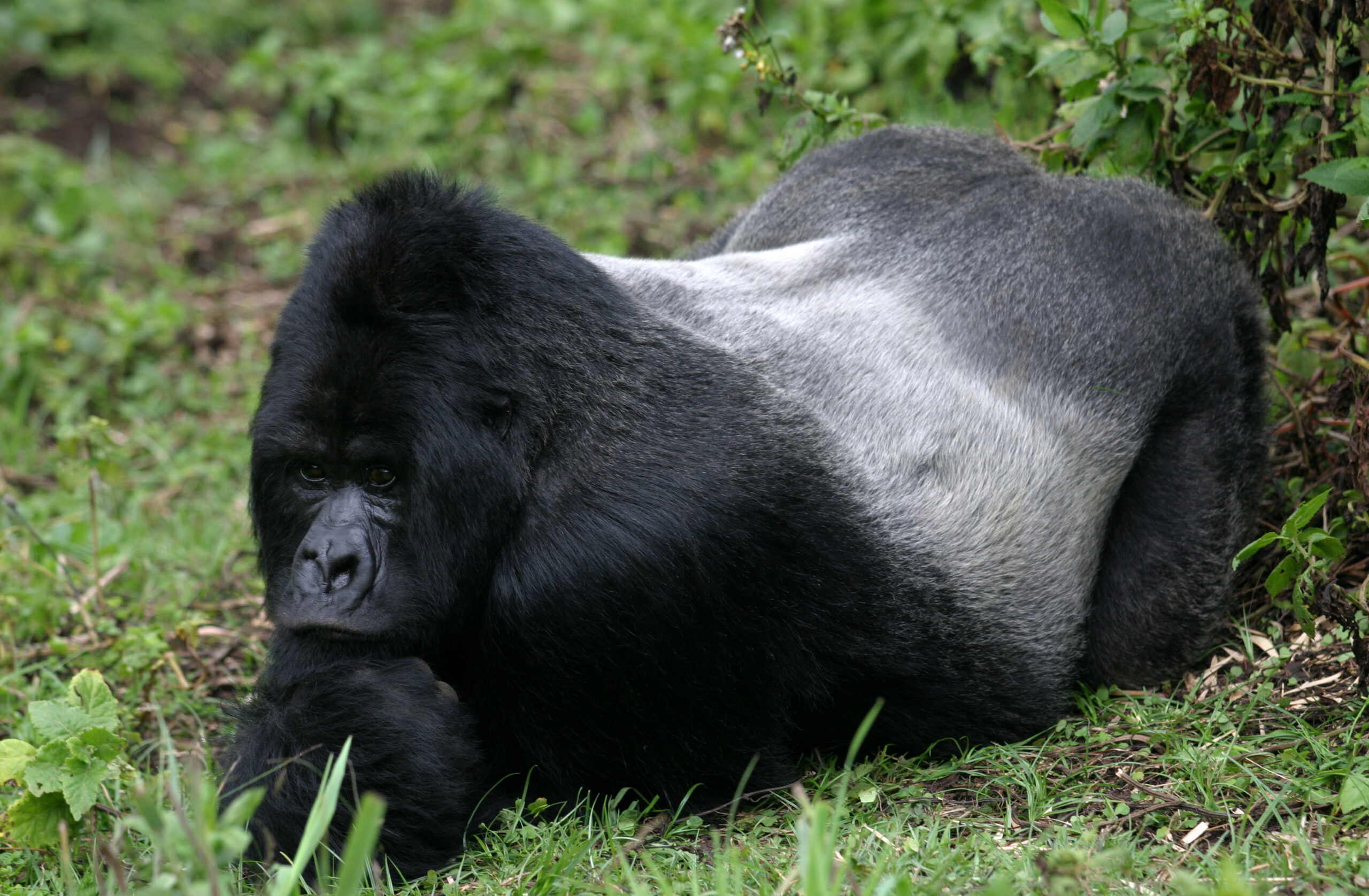

Best Time for Gorilla Trekking in 2026: Complete Guide
Gorilla trekking is one of Africa’s most remarkable wildlife experiences, offering visitors the rare opportunity to observe endangered mountain gorillas in their natural habitat. The activity is mainly conducted in Uganda's Bwindi Impenetrable National Park and Mgahinga Gorilla National Park, Rwanda's Volcanoes National Park, and the Democratic Republic of Congo's Virunga National Park. As travelers plan their adventures for 2026, understanding the best time for gorilla trekking can greatly enhance the experience.
When is the Best Time for Gorilla Trekking in 2026?
The best time for gorilla trekking in 2026 is during the dry seasons:
-
January to February
-
June to September
-
December
These months offer the most favorable trekking conditions, with less rainfall, drier trails, and better visibility in the forest. During these periods, trekking becomes easier because the terrain is less muddy and slippery.
Why the Dry Season is Preferred
During the dry months, the forests receive less rain, making hiking trails more accessible. Mountain gorillas also tend to remain at relatively lower elevations where food is abundant, reducing trekking times in some cases. Photography conditions are generally better because there is more natural light and fewer chances of rain interfering with camera equipment.
Many travelers choose July, August, and September as these months provide excellent weather conditions and coincide with international holiday periods.
Gorilla Trekking During the Rainy Season
The rainy seasons generally occur during:
-
March to May
-
October to November
Although these months receive more rainfall, they still offer excellent gorilla trekking opportunities. Some advantages include:
-
Fewer tourists
-
More permit availability
-
Lush green scenery
-
Better opportunities for discounted accommodations
The forests become incredibly beautiful during the rainy season, creating stunning photographic backdrops. However, trekkers should be prepared for muddy trails and occasional heavy downpours.
What Happens During Gorilla Trekking?
Morning Briefing
The day begins early with breakfast before transferring to the park headquarters. Visitors attend a briefing conducted by park rangers who explain:
-
Gorilla behavior
-
Safety guidelines
-
Trekking regulations
-
Conservation efforts
-
What to expect during the trek
Trekkers are then assigned to specific gorilla families based on their fitness levels and preferences.
Trekking Through the Forest
After the briefing, visitors enter the rainforest accompanied by experienced guides and armed rangers. The trek may last from one hour to several hours depending on the location of the gorilla family.
During the hike, visitors often encounter:
-
Forest elephants
-
Various monkey species
-
Unique butterflies
-
Indigenous plants
-
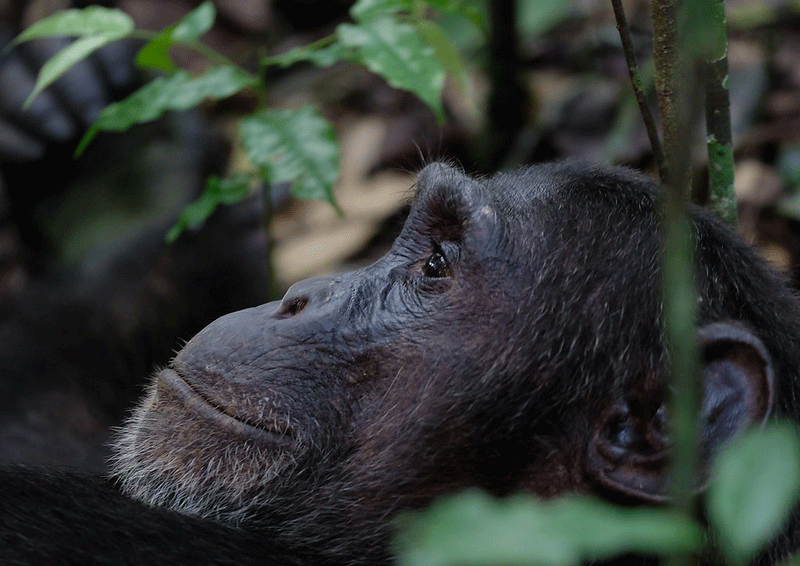
Numerous bird species
The journey itself becomes part of the adventure as trekkers navigate dense vegetation, valleys, and mountain slopes.
The Gorilla Encounter
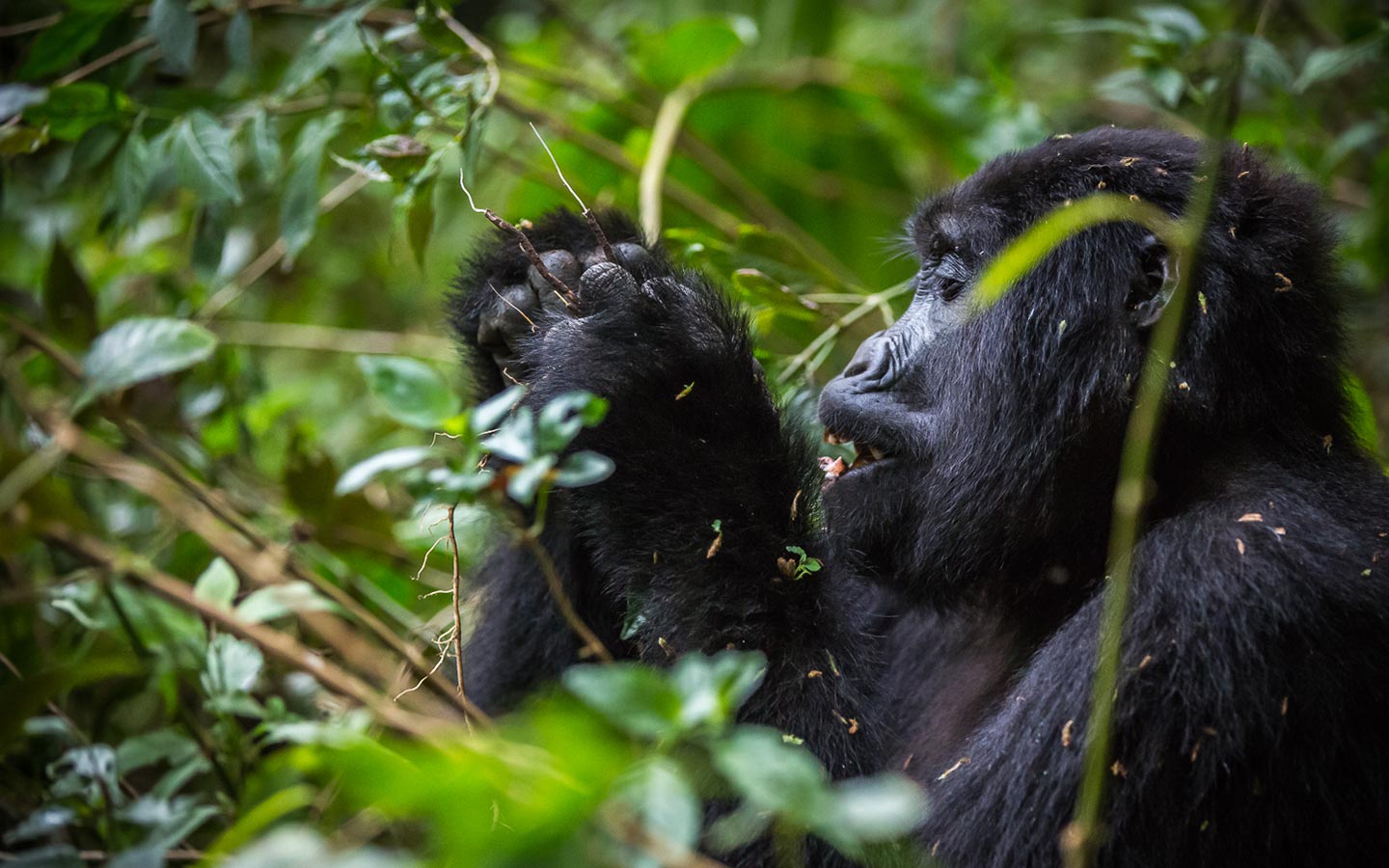
The highlight of the experience is spending one unforgettable hour with a habituated gorilla family. Visitors observe:
-
Silverbacks protecting their groups
-
Mothers caring for infants
-
Juveniles playing
-
Family interactions
-
Feeding behavior
Watching these gentle giants at close range creates a powerful and emotional wildlife experience that few travelers ever forget.
What to Wear for Gorilla Trekking
Proper preparation is essential for a successful trek. Recommended items include:
-
Waterproof hiking boots
-
Long-sleeved shirts
-
Long trousers
-
Gardening gloves
-
Rain jacket
-
Insect repellent
-
Sunscreen
-
Hat
-
Camera
-
Reusable water bottle
Neutral-colored clothing is recommended to blend into the natural environment.
Gorilla Trekking Permits in 2026
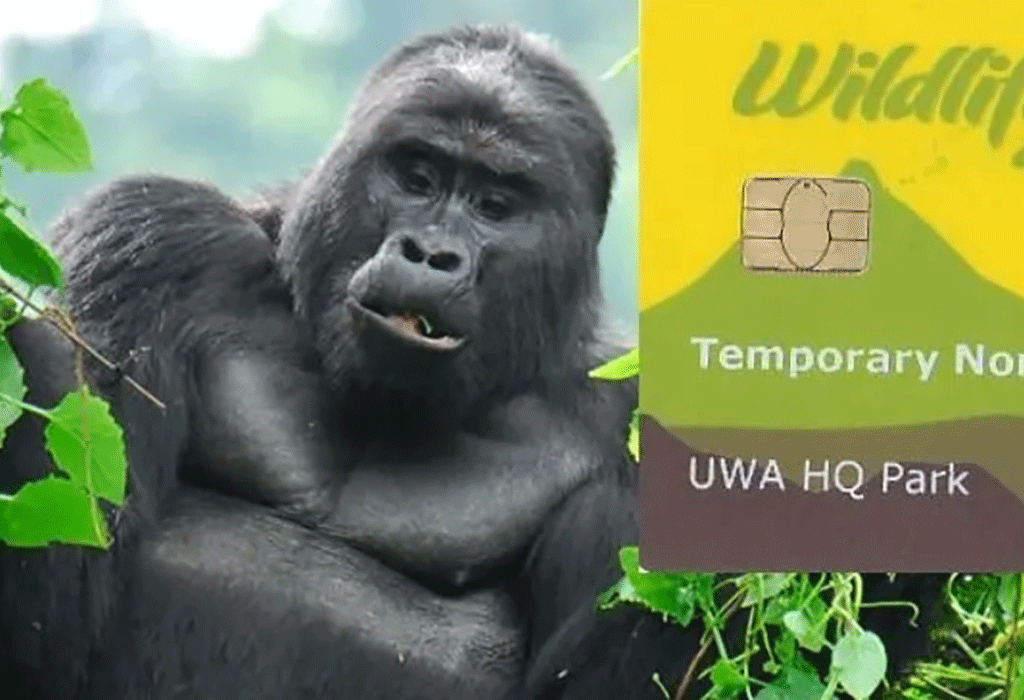
Permits remain mandatory for all gorilla trekking activities. Due to high demand, especially during the dry season, travelers are encouraged to book permits several months in advance.
Permit availability can become limited during peak months, particularly in July, August, and September. Early reservations help secure preferred trekking dates and locations.
Conservation Importance of Gorilla Trekking
Gorilla trekking contributes significantly to conservation efforts. Revenue generated from permits supports:
-
Gorilla protection programs
-
Anti-poaching initiatives
-
Community development projects
-
Research and monitoring activities
-
Habitat conservation
Tourism has played a crucial role in increasing mountain gorilla populations over the years, making trekking a successful model of conservation through responsible tourism.
Why Choose Satellite Adventures for Gorilla Trekking?
For travelers planning a gorilla trekking safari in 2026, Satellite Adventures offers expertly organized tours that ensure a seamless and memorable experience. Their professional guides, personalized itineraries, reliable transportation, and in-depth knowledge of East Africa's national parks help visitors maximize every moment of their gorilla trekking adventure.
Whether trekking in Uganda, Rwanda, or Congo, Satellite Adventures assists travelers with permit arrangements, accommodation selection, transportation logistics, and expert guidance throughout the journey.
Conclusion
The best time for gorilla trekking in 2026 is during the dry seasons of January to February and June to September, when hiking conditions are at their best and wildlife viewing opportunities are excellent. However, gorilla trekking remains a rewarding experience throughout the year, including the rainy seasons when forests are lush and visitor numbers are lower.
From the exciting forest hike to the unforgettable hour spent with a mountain gorilla family, this adventure offers one of the world's most extraordinary wildlife encounters. With careful planning and the support of experienced operators such as Satellite Adventures, travelers can enjoy a safe, comfortable, and life-changing gorilla trekking experience in East Africa's spectacular mountain forests.

0 Comments